
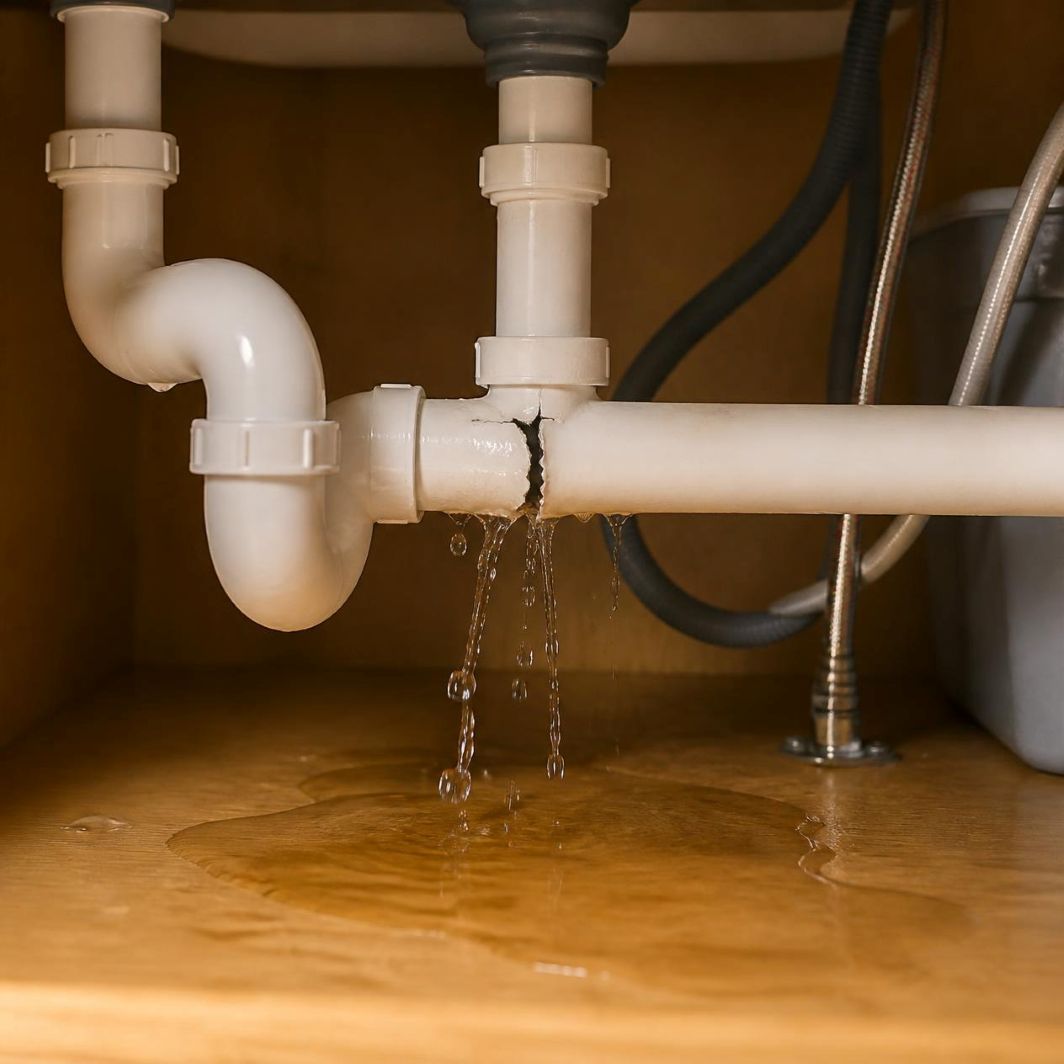
A single pipe failure can push thousands of dollars in repair costs onto a household within hours. The Federal Emergency Management Agency has noted that even one inch of standing water can cause roughly $25,000 in damage to a home, a figure that puts the financial stakes of a rental leak into sharp perspective.
When a leak strikes a rented unit, the first question tenants and property owners usually ask is simple: who pays? The answer depends on where the leak originated, how quickly it was reported, and what the lease says. Anyone dealing with Atlanta GA water damage will find that responsibility typically splits along a few predictable lines, though local law and lease language can shift those defaults considerably.
Landlord, Tenant, Contractor, and Insurer: Different Roles
Property owners generally carry the legal duty to keep a rental unit habitable. Research from legal resources citing California’s Civil Code shows that landlords must address plumbing failures and structural water intrusion in a timely manner, since habitability standards apply across most states in some form. This means that when a pipe inside a wall bursts, or a roof begins to leak during a storm, the property owner is usually on the hook for structural repairs.
Tenants, by contrast, are often responsible for damage tied to their own actions or negligence. Findings from insurance guides published by GEICO indicate that a leak caused by an overflowing appliance left unattended, or damage from a burst hose that a tenant failed to report promptly, can shift liability toward the renter. A tenant who leaves a faucet running or ignores a slow drip until it becomes a larger problem may also bear some financial responsibility for the resulting damage.
Contractors enter the picture once repairs begin. A licensed and insured contractor is responsible for performing the work correctly and safely. If a repair is done poorly and causes further damage, the contractor’s own liability insurance, rather than the landlord’s or tenant’s policy, may need to cover the resulting costs. This is one reason verifying a contractor’s licensing and insurance status before work begins matters as much as the repair itself.
Insurers, meanwhile, divide their coverage by ownership. Data from The Zebra shows that a landlord’s insurance policy typically covers the physical structure, including floors, drywall, and built-in systems, while a tenant’s renters insurance covers personal belongings and additional living expenses if the unit becomes temporarily unlivable.
Sudden Accidental Damage vs. Neglected Maintenance
Insurance companies and courts generally draw a sharp line between sudden, accidental water events and damage tied to neglect. A pipe that bursts without warning during a cold snap is usually treated as a covered, unforeseeable event. Reports from American Family Insurance explain that renters insurance typically pays for water damage when it is sudden and accidental, but excludes losses caused by wear and tear or conditions that were left unaddressed over time.
Delayed reporting complicates matters further. If a tenant notices a small leak under a sink and waits weeks before mentioning it, the resulting mold growth or structural rot may no longer be treated as a sudden event. Experts note that this distinction often determines whether an insurance claim gets approved or denied, since insurers look closely at how quickly a problem was identified and communicated. A landlord who is aware of a maintenance issue and fails to act may face similar scrutiny, particularly if the tenant can show they gave proper notice.
Documentation, Lease Terms, and When to Seek Legal Advice
Clear documentation protects everyone involved. Photographing the damage as soon as it appears, saving written communication with the landlord or property manager, and keeping repair estimates on file all help establish a timeline if a dispute arises later. This record becomes especially valuable if an insurance company questions when the damage occurred or whether it was reported promptly.
Lease agreements often modify the general rules described above. Some leases specify that tenants must carry renters insurance, while others outline specific maintenance duties, such as reporting leaks within a set number of days. Property managers and landlords who want a closer look at how these obligations are typically structured may find this guide to reviewing lease agreements useful. Reviewing these terms before a leak occurs, rather than after, gives both parties a clearer sense of their obligations.
Not every situation resolves cleanly. When damage is extensive, when a landlord disputes responsibility, or when an insurance claim is denied and the financial loss is significant, consulting a local attorney familiar with landlord-tenant law can help clarify next steps. This is particularly true in cases involving habitability disputes, withheld rent, or disagreements over security deposit deductions tied to repair costs.
Looking Ahead
Water-related losses in rental housing are unlikely to become less common, given the age of plumbing systems in many older buildings and the frequency of severe weather events. Tenants and property owners who understand their respective responsibilities, keep thorough records, and know when to bring in a licensed professional or legal advisor are generally better positioned to resolve disputes quickly and fairly when a leak does occur.